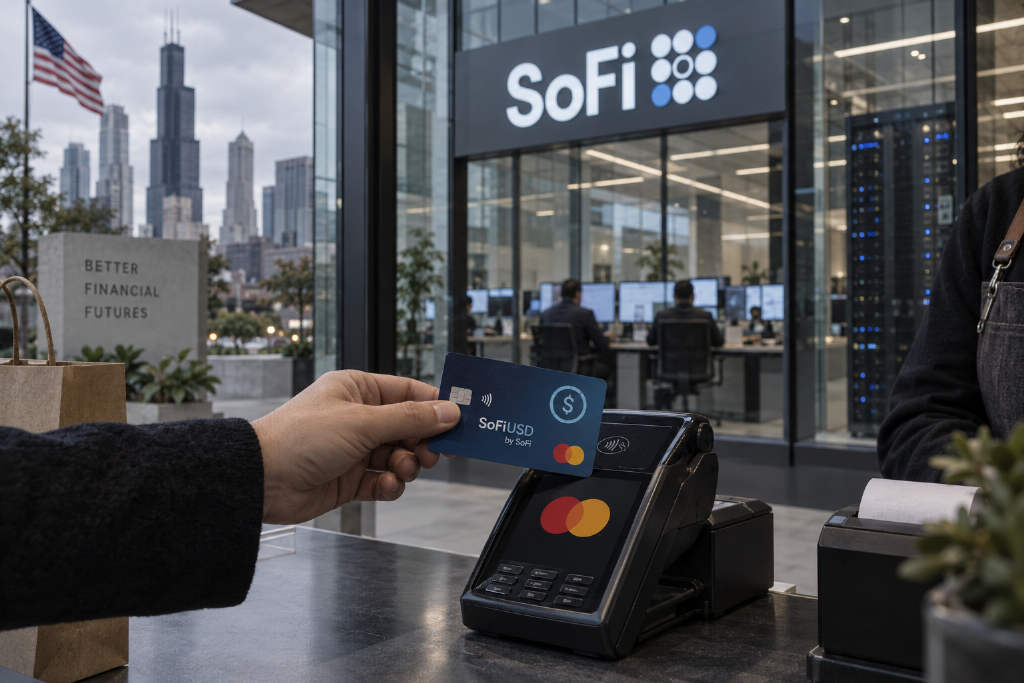
Why stablecoin cards are unlikely to displace Visa
A commentary carried by WuBlockchain argues that stablecoin-linked payment cards are unlikely to replace Visa in domestic consumer payments, even if they improve parts of the settlement stack. The piece says the market often overstates how much of a merchant’s card fee goes to the card network. In a $100 rewards credit card transaction, the merchant may pay about $2.20 in total discount fees, but roughly $1.75 goes to the issuing bank as interchange, $0.30 to $0.70 goes to the acquirer or processor, and only about $0.13 to $0.18 goes to Visa or Mastercard as assessment fees. On that basis, removing Visa alone cuts only a small slice of the total cost. The article also argues that most stablecoin card programs are debit products, not credit products. Because users preload funds in USDC or USDT, there is no revolving credit income and no traditional credit-funding cycle. That leaves a much thinner revenue pool. The commentary says stablecoins can make a real difference in clearing and settlement, where T+2 timelines can be compressed toward near-real-time settlement, and in cross-border foreign exchange flows. But it concludes that these gains mainly benefit issuers and card operators rather than merchants, whose discount rates do not automatically fall just because settlement becomes faster.